14 Hour IICRC CEC Package: Complete Your 4-Year Cycle in One Weekend

Aug 21 / RestoreTech 360

Key Takeaways

  • A 14 hour IICRC CEC package can cover your full 4-year renewal requirement when your credits match your technician tier rules

  • Bundled, self paced IICRC CEC online training reduces admin hassle versus buying multiple single-credit modules

  • A simple mobile plan helps you finish IICRC CE credits online during downtime without disrupting the workday

Finish your 4-year IICRC renewal before the deadline sneaks up

Picture this: you finally go to renew and realize you are short credits with two weeks left. A lot of techs only start tracking hours when the renewal fee or email reminder shows up, which turns a simple admin task into a rushed scramble.

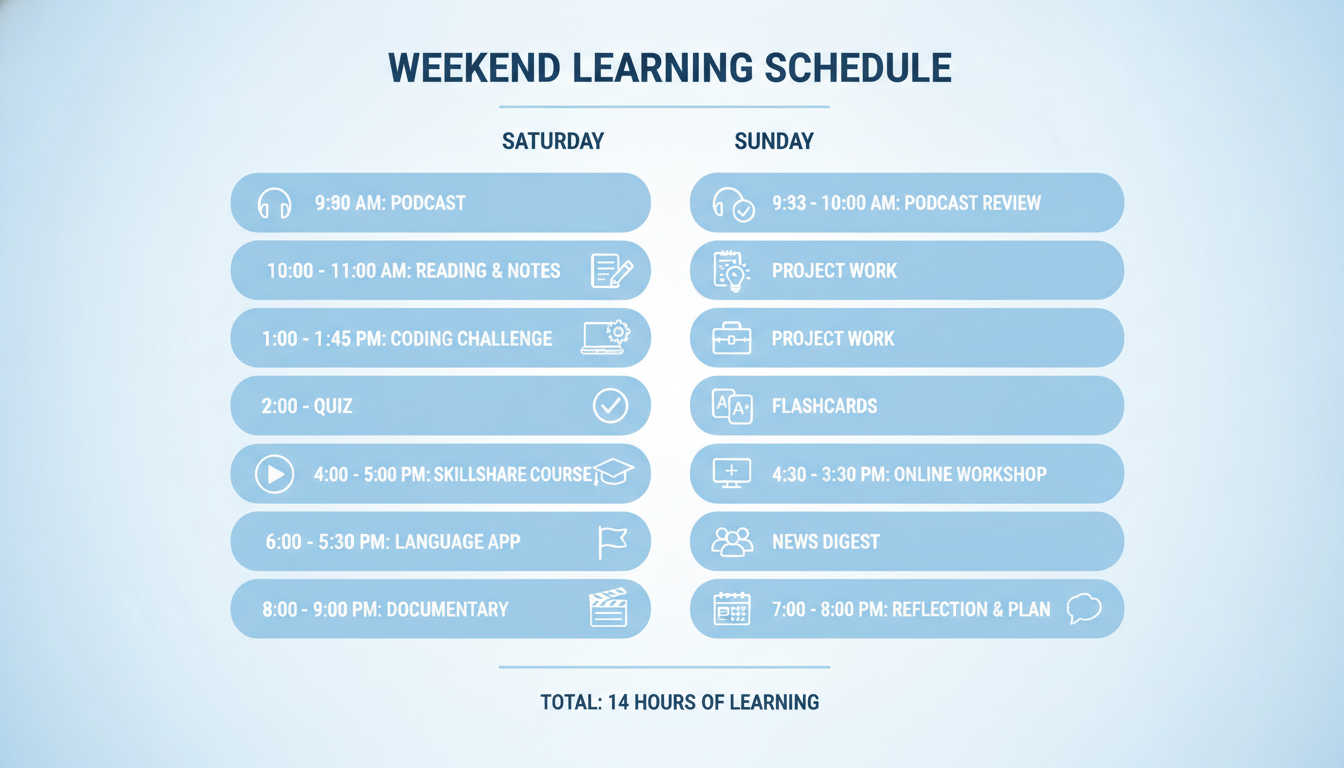
The good news is the time math is usually better than it feels. Many learners can complete 14 hours in about 1–2 days with self-paced pacing, especially if you plan it like a focused weekend block instead of trying to squeeze it into scattered nights.

Next, make the quickest plan that reduces risk instead of chasing perfection. If you do one thing, do this: map what you already have, then reserve a single 6–8 hour block on Saturday and a 4–6 hour block on Sunday to finish and leave buffer time for breaks and the final submission.

Here’s the catch: the common mistake is only counting “seat time” in your head and forgetting proof and paperwork until the end. Fix it by keeping a simple renewal checklist next to you while you work:

  • Write down credits already completed and what is still missing

  • Pick the exact days and time blocks you will study (for example, 9am–5pm)

  • Keep your confirmations and completion records in one folder as you go

  • Set a personal deadline 7 days before renewal so you have cushion

By the end of your weekend plan, you should be able to point to a clear credit map, know exactly what you finished, and submit your renewal without guessing what is missing.

Know your 4-year cycle credit requirements and the exact 14-credit mix

Also, before you buy or start any CE credits, confirm what your current 4-year cycle actually requires. Most people wait until the last few weeks and then realize their credits were logged in the wrong cycle or they assumed the same rules apply across technician tiers.

A practical way to avoid that is to work backwards from your renewal date, then map your 14 credits to that window. If you do one thing, do this: write down the start and end dates of your cycle and only count credits earned inside that range.

Here’s the catch: the “right” 14-credit mix depends on your renewal path, not just the number 14. For example, a technician with one certification may be fine with a straight 14-credit total, while someone at a higher technician tier or with multiple certifications may need to make sure the distribution covers what applies to their specific renewal.

Use this quick checklist before you take a course, and again after you complete it:

  • Renewal date (the date your cycle ends)

  • Cycle start date (4 years back from the renewal date)

  • Technician tier and certifications you are renewing

  • Credits earned so far in this cycle (total)

  • Credits remaining (total)

  • The exact 14-credit mix you plan to finish with (write it out)

  • When you will pay the IICRC renewal fee (pick a week, not “later”)

If you’re short on time, skip building a spreadsheet. A single note on your phone with those 7 lines is enough to prevent the common mistake of finishing 14 hours and still being short because one piece of the mix did not count the way you assumed.

Why bundled packages beat buying one-credit courses at the last minute

Next, it helps to compare bundles vs one-credit purchases on the things that usually break your plan: cost, time, and risk.

Buying one credit at a time often means multiple checkouts, multiple logins, and multiple completion records to track across months. A bundle keeps it simple, especially if you are trying to finish 14 hours in a short window like a weekend.

Here’s where bundles usually win, and where they can fail:

  • Cost: bundles are often priced lower than buying 14 separate 1-hour courses, but they are only worth it if you will actually finish the hours inside the access window

  • Time: fewer purchases and fewer course dashboards means less admin time, which matters when you are fitting classes between job stops or after a long shift

  • Risk: one-credit shopping can leave topic gaps if you pick what looks quickest instead of what you actually need for your cycle

If you do one thing, choose a bundle that already matches your required mix so you are not guessing under pressure.

That said, not all self-paced IICRC CEC online bundles are equal, so check a few details before you pay:

  • Access window: confirm how long you can access the courses and whether completion proof is still available after you finish

  • Mobile usability: test that videos, quizzes, and downloads work smoothly on a phone using cellular data, not just Wi‑Fi

  • Completion proof: make sure you get clear completion records per course so you can submit or store them without hunting later

  • Support: look for a real support path for issues like a stuck quiz, a certificate not generating, or a name mismatch

If you are short on time, skip deep feature comparisons and only verify access window plus completion proof, since those two issues cause the most last-minute delays.
Complete IICRC CE credits online on your phone during real-world downtime

Next, treat CE time like part of the workday instead of a separate project. If you have 10 to 30 minutes between jobs, waiting on a scope, or riding passenger, you can move a course forward in short sessions that actually add up.

A simple “crew downtime” routine keeps it realistic:

  • Before the day starts, download materials over Wi‑Fi so you are not stuck on a bad signal

  • Keep a dedicated pair of headphones in the truck so you can listen anywhere

  • Take quick notes in one place (phone notes app or a small notepad) so you can find them fast

  • Finish quizzes in short bursts (think 5 to 10 questions at a time) while the info is fresh

  • Set a daily mini-goal like 60 to 90 minutes total split across 2 to 4 sessions

That said, mobile learning fails when you rely on perfect conditions. It works best when you plan for interruptions and prove completion the same day.

Common pitfalls to avoid (and the fix):

  • Spotty signal: start lessons only after downloads are complete

  • Lost progress: confirm the lesson shows as completed before you close the app or browser

  • Rushed quizzes: pause and come back if you cannot give it 5 focused minutes

  • Missing completion documentation: save your completion record right away (screenshot or download) and store it in a single folder labeled with the year

If you do one thing, do this: build a repeatable 15-minute block you can do anywhere, then stack it 4 times across a day for an easy hour without needing a “study night.”

Closing remarks

Also, the best time to earn credits is before you need them. When renewal gets close, the pressure turns simple admin work into a last-minute scramble, and small issues (a missing hour, an incomplete record, a forgotten login) start costing you real time.

That said, you can treat your renewal in two very different ways: a stressful, scattered hunt for single-credit courses, or a one-weekend plan that’s done and documented. If you do one thing, pick a clear block of time, finish the credits, and save your completion records the same day so you’re not trying to reconstruct proof months later.

Get your 14-hour IICRC CEC package and finish this weekend