Key Takeaways

  • IICRC MRS recertification typically requires either documenting 20 accepted CEC hours or retaking and passing the MRS exam

  • MRS recertification requirements can differ from AMRT and general technician renewals, so confirm which standard applies to you

  • Before you rely on any course for MRS recertification, verify CEC acceptance using IICRC-approved documentation

Avoid renewal surprises with MRS recertification requirements

Your MRS is nearing expiration and you need a compliant path fast, but most advice online mixes MRS rules with other certifications. That confusion usually shows up when you try to submit proof and realize the course, sponsor, or document format is not accepted.

Plan for 2–6 weeks of lead time to gather certificates, transcripts, and sponsor details before your renewal deadline. If you wait until the last week, the bottleneck is rarely the learning hours, it is getting the right paperwork reissued, corrected, or matched to what IICRC expects.

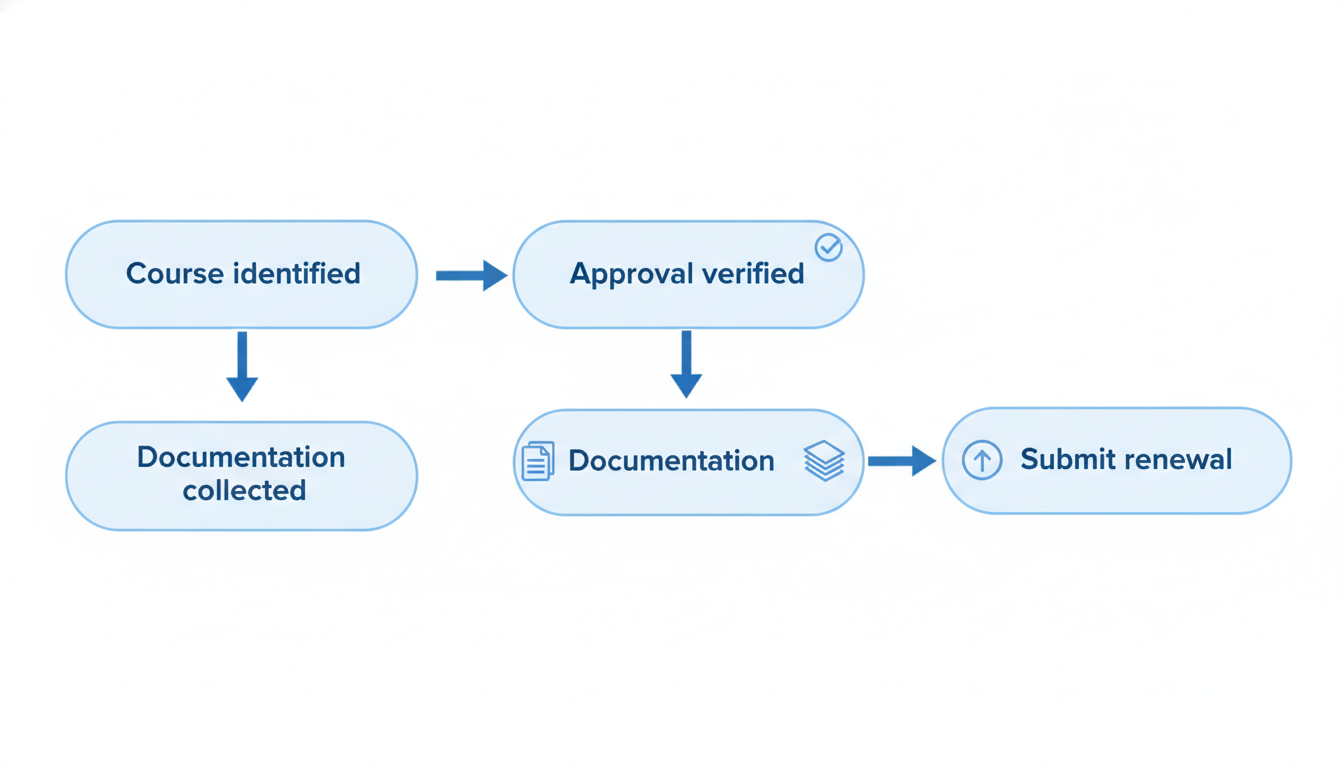
Next, make one decision early: CEC hours or retake the exam. If you do only one thing, choose your route first, because it tells you what evidence you need and what you can ignore.

  • If you already have recent training records (for example: a technician who attended 2 one-day classes and a half-day manufacturer workshop in the last year), the CEC route is usually faster

  • If your records are scattered, missing sponsor info, or the courses are hard to verify (common for people who changed employers), retesting can be simpler

That said, the most common renewal mistake is assuming a “related” class counts automatically. Fix it by building a small proof packet you can submit without back-and-forth:

  • A completion certificate or transcript that shows your name, course title, completion date, and hours

  • Sponsor or provider details (company name and contact info are typically what slows people down)

  • A simple list you maintain in one place (even a note) with course name, date, hours, and where the certificate file lives

In practice, by the end of this section you should be able to pick the right recertification route for your situation and assemble proof that is consistent, easy to verify, and likely to be accepted when you submit it.

MRS vs AMRT: why this recertification is a special case

Next, it helps to separate what the credential represents from the work you do day to day. The MRS (Mold Remediation Specialist) is typically tied to oversight expectations, documentation, and controlling the remediation process, not just performing tasks on a job site.

AMRT, by contrast, is a separate credential with its own scope and renewal considerations. If you hold both, treat them like two different “tracks” that may not accept the same training the same way, even when the topics feel closely related.

Here’s the catch: many people try to apply a generic “technician renewal” checklist and assume it maps cleanly to MRS recertification routes. That shortcut often breaks down when the checklist focuses on hands-on technician topics, while your MRS renewal path needs education that clearly supports specialist-level responsibilities.

If you do one thing, start by labeling your goal before you enroll in anything: are you renewing MRS, AMRT, or both. Then check whether the course is described in a way that fits MRS oversight work, such as:

  • Project planning and documenting containment and controls

  • Interpreting a remediation work plan and what to verify in the field

  • Decision points a supervisor or lead should review, like when conditions change

  • Communication and reporting steps, such as what goes in job records and why

In practice, “works best” training for MRS is the kind you can point to and say, “This helps me supervise and verify remediation outcomes.” It tends to fail when the course is mostly task-level demos with no link to oversight, records, or process control.

Option 1: Recertify with 20 accepted CEC hours

Also, the simplest path is often earning 20 accepted CEC hours and keeping clean documentation. “Accepted CECs” means the credit is recognized for IICRC use and can be tied to a specific course with proof you completed it, not just a generic attendance note.

Here’s the catch: a course can be useful for your work and still fail for renewal if it has no clear course identifier, no record of hours awarded, or no completion proof you can show later.

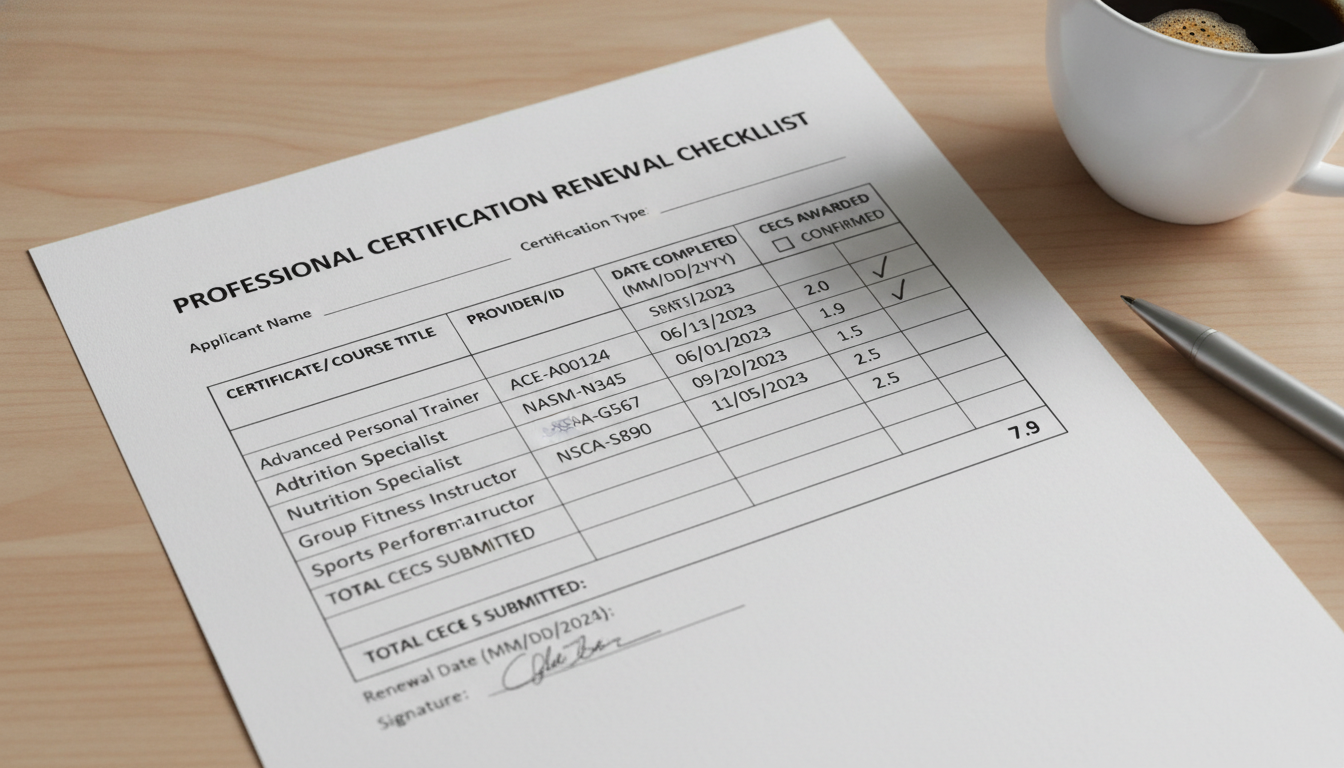
In practice, treat your renewal paperwork like a small audit and collect the same items every time you finish a class. Save them in one folder (for example, a single PDF per course plus a running spreadsheet of totals) so you can confirm you’re on track before your deadline.

What to collect for each course

  • Completion certificate or completion email you can download

  • Course title and any course ID or catalog number

  • CEC hours awarded (for example, 2, 4, or 8 hours)

  • Provider name (the training company)

  • Date completed

  • Any approval reference or identifier if it’s listed

If you do one thing, do this: keep a running total toward 20 hours and attach the proof document next to each entry so you are not rebuilding the file at the last minute.

Option 2: Recertify by retaking and passing the MRS exam

Next, the exam route can be the cleanest way to recertify when your paperwork is messy or time is tight. It tends to make the most sense if you are missing documentation for past training, you are short on CECs with only a few weeks left, or the only available classes before your deadline are not clearly eligible.

This path works best when you can focus for a short, fixed window and you test well. But it can fail when you assume the exam will be "quick" and then realize your weak areas late, which forces a reschedule and can push you past your deadline.

Plan it like a small project:

  • Check your recertification deadline first, then work backward 2 to 6 weeks for prep time

  • Book the exam with scheduling lead time in mind, since popular dates can fill up

  • Match your study scope to the MRS exam outline, not to a general mold course or a different designation

  • Do one timed practice set early so you know if you need 5 hours of review or 20

Here’s the catch: passing the exam is only helpful if you can prove it later. Save a copy of your passing result (PDF or screenshot), note the date, and store it somewhere you can find in 2 to 4 years, like the same folder where you keep CEC certificates and invoices.

Verify a course qualifies for MRS before you rely on it

Next, treat eligibility as a quick pre-check before you spend 2 to 8 hours on a class that may not count.

Start by confirming the provider’s IICRC approval details, then match what the course claims (IICRC credit, CEC hours, approval scope) to what you need for MRS recertification. If you do one thing, do this match first, before you register or pay.

Here’s the catch: “continuing education” and “IICRC CECs” are not always the same thing, and a course that helps your job skills can still be rejected for renewal credit.

Use this simple verification checklist:

  • Confirm the provider is IICRC approved for continuing education

  • Confirm the specific course is approved for IICRC CECs (not just the provider in general)

  • Confirm the number of CEC hours stated for the course matches what you plan to submit

  • Collect proof before you start: a completion certificate and the approval documentation the provider references

  • Save a copy of the course title, date, and hours as you complete it

In practice, ask the provider 3 direct questions and do not accept vague answers:

  • Is this course approved for IICRC CECs for recertification, and for which certification(s)

  • How many CEC hours will the completion earn

  • What documentation will you provide that shows the IICRC approval and the CEC hours

Common mistake: enrolling based on a marketing page that mentions “IICRC” but does not show a clear approval reference.

Fix: request the approval details in writing and keep it with your completion certificate so you can submit both together.

Closing remarks

Also, keep one simple rule in front of you as you plan your renewal: “Trust, but verify.” It’s easy to assume a class or provider will count, but small mismatches can cost you time when you are close to your renewal date.

So ask yourself: Which route gives you the highest confidence of approval before your renewal date. If you already have quick access to accepted training and clean documentation, CECs can be the smoother path. But if your course approvals feel uncertain or you are short on time, retaking the exam may reduce risk.

Next, pick your path today and start a folder with every document you’ll need to submit:

  • Course certificates and completion emails

  • Agendas or outlines showing hours and topics

  • Provider name, course code, and date taken

  • A notes file listing what you still need and by when