Key Takeaways
When your next IICRC renewal is due and odor problems will not wait
Earn IICRC CEC hours online while building a repeatable odor control workflow
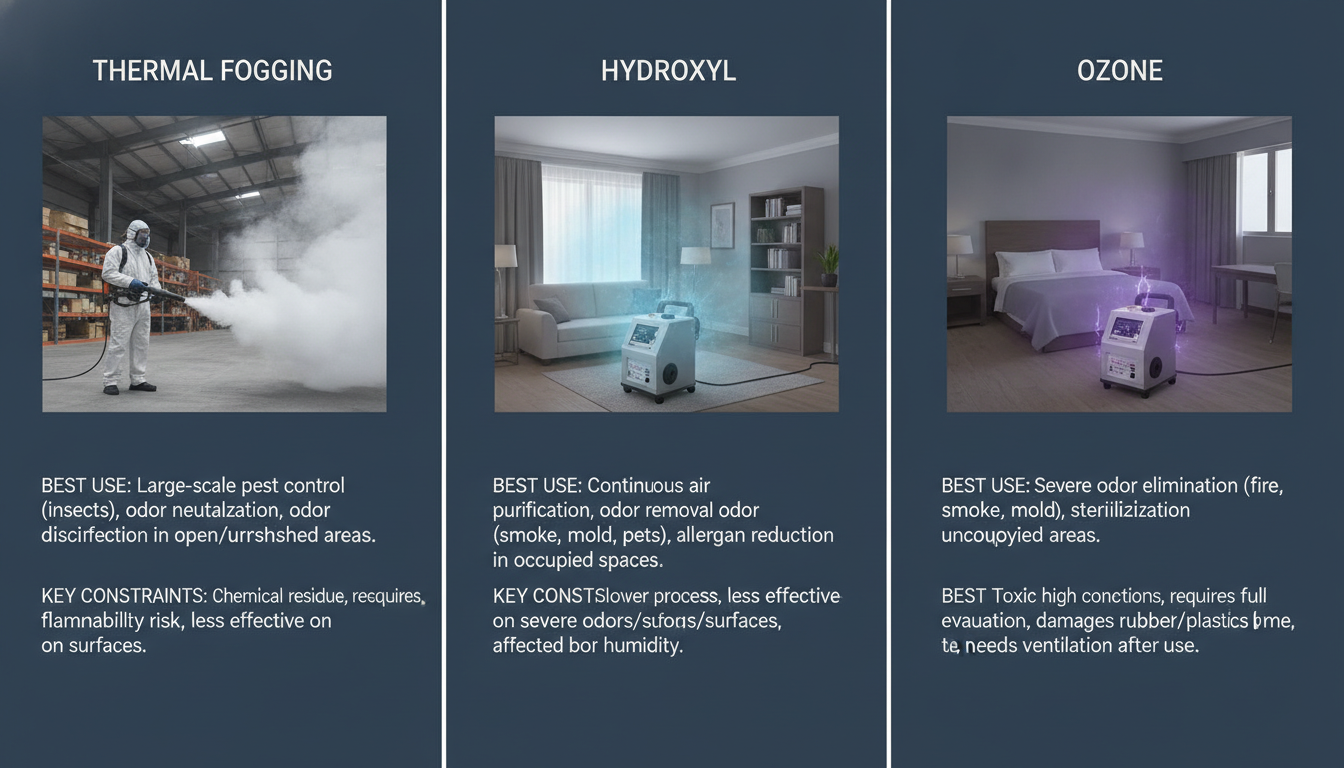
Choose the right tool for severe smoke and bio odors without guesswork
Thermal fogging: when it works, where it fails, and what “coverage” really means
Hydroxyl generation: realistic timelines, placement rules, and when it outperforms ozone on occupied projects
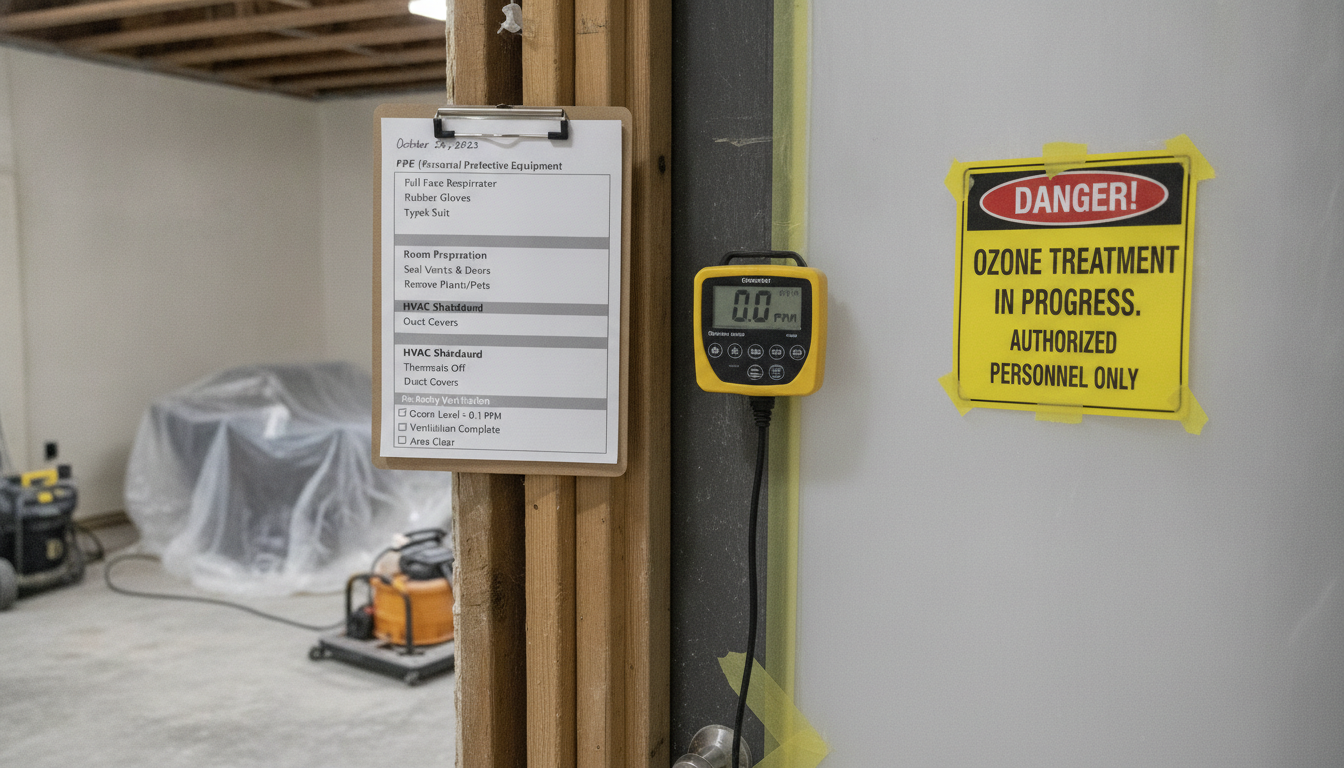
Follow ozone safety protocols during structural remediation and avoid preventable liability
Pre-checks before you start ozone
Common missteps that create damage or liability
Closing remarks
Get OCT IICRC CEC credits while improving severe odor control
FAQ
How many IICRC CEC hours online can I earn with OCT continuing education?
It depends on the specific OCT class you choose. Look for the posted CEC value on the course page before you enroll. If you only do one thing, save a copy of the completion record so you can report hours during renewal.
Do OCT credits count toward renewing fire, water, and contents IICRC certifications?
CECs often count across multiple IICRC certifications, but acceptance depends on the certification and current renewal rules. Before you commit, match the course topic and CEC category to what your renewal checklist requires for fire, water, or contents.
What are the minimum ozone safety protocols for deodorization during structural remediation?
At minimum: keep people and pets out, post warning signage, control access, follow generator instructions, and ventilate before re-entry. Use a plan for time on, time off, and confirmation of safe re-entry. Ozone works best in unoccupied, sealed areas.
When should I choose thermal fogging vs hydroxyl generation vs ozone?
Choose thermal fogging for porous, oily smoke residues where carrying a deodorant into materials matters. Choose hydroxyl when you need treatment while spaces are occupied. Choose ozone for strong odors in unoccupied, controlled areas. If you are short on time, start with hydroxyl for quick deployment.